Expert Tips for Managing Long COVID Symptoms at Home


Understanding Long COVID
Long COVID, also known as post-acute sequelae of SARS-CoV-2 infection (PASC), refers to a range of symptoms that continue for weeks or months after the acute phase of the infection has resolved. These symptoms can vary widely and may include fatigue, shortness of breath, cognitive issues, and more. Managing these symptoms at home can be challenging, but with the right strategies, it’s possible to improve your quality of life.
For many, the journey with long COVID is unpredictable. Some symptoms may resolve quickly, while others linger. Understanding and accepting this variability is crucial in managing expectations and developing a comprehensive care plan.
Creating a Restorative Environment
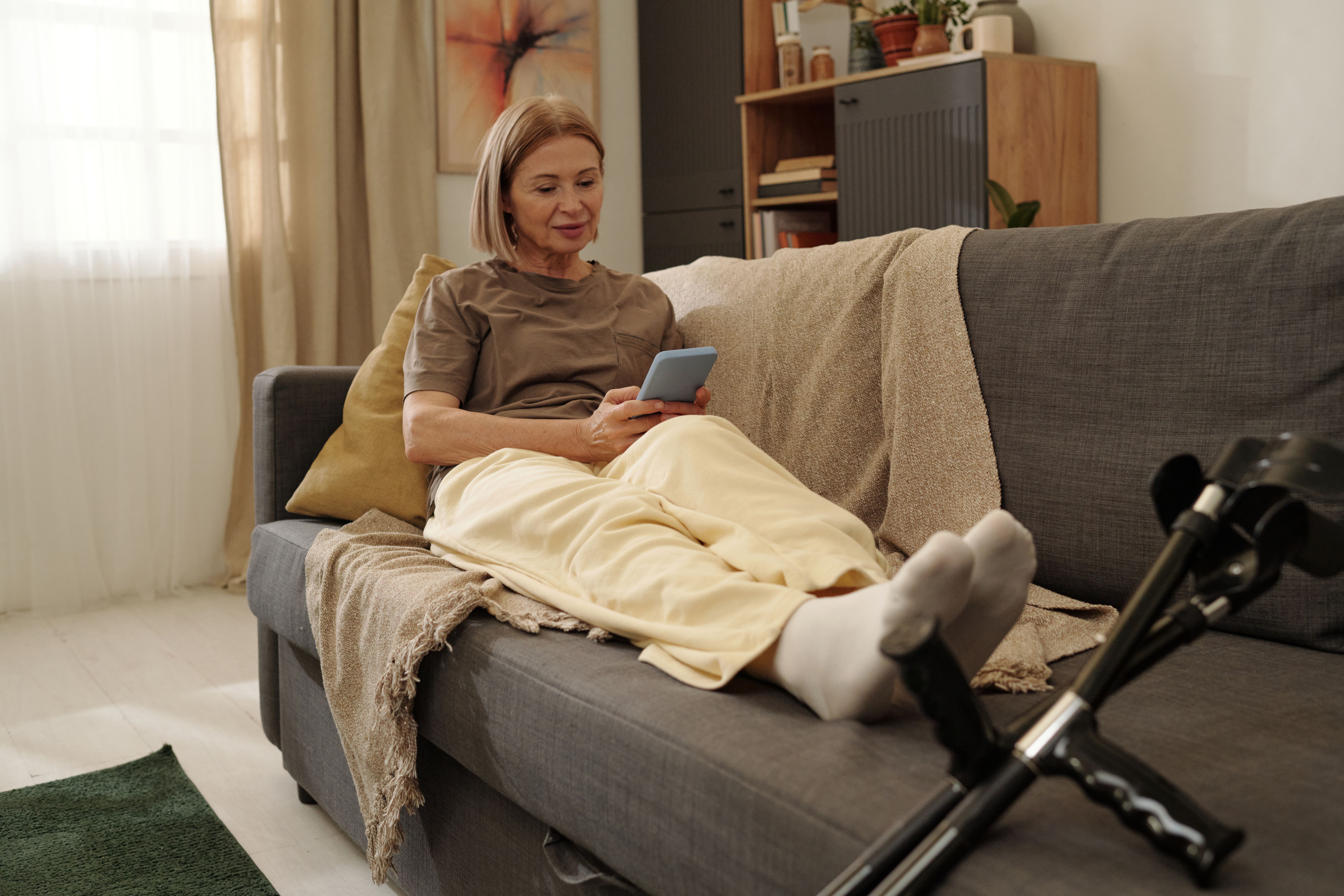
One of the most important aspects of managing long COVID symptoms at home is creating a restful and supportive environment. This includes ensuring your living space is comfortable and free from unnecessary stressors. Consider incorporating elements like calming music, comfortable furniture, and natural light to enhance relaxation.
Additionally, keeping your home organized can help reduce stress and anxiety. A clutter-free environment often translates to a clearer mind, which is essential when dealing with cognitive symptoms related to long COVID.

Prioritizing Rest and Recovery
Rest is a cornerstone in managing long COVID. It's essential to listen to your body and take breaks as needed. Overexertion can exacerbate symptoms, so pacing yourself is key. Consider implementing a daily routine that balances activity with ample rest periods.
- Take short naps if needed.
- Practice deep breathing exercises.
- Engage in gentle activities like stretching or yoga.
Nutrition and Hydration
Proper nutrition plays a vital role in recovery. A balanced diet rich in vitamins and minerals can support your immune system and overall health. Focus on incorporating a variety of fruits, vegetables, lean proteins, and whole grains into your meals.
Staying hydrated is equally important. Dehydration can worsen fatigue and other symptoms, so aim to drink adequate amounts of water throughout the day. Herbal teas and broths can also be soothing and beneficial.

Seeking Support
Living with long COVID can be isolating, but you don't have to face it alone. Reach out to support groups, either locally or online, where you can share experiences and coping strategies with others facing similar challenges. Connecting with others can provide emotional relief and valuable insights.
Consider involving family and friends in your recovery process. Their support can make a significant difference, whether it’s helping with daily tasks or simply offering a listening ear.
Monitoring Symptoms and Progress
Keeping track of your symptoms and their progression can be incredibly helpful. Maintain a journal to record daily experiences, noting any triggers or improvements. This can aid in discussions with healthcare providers and help tailor your management plan effectively.
Regular check-ins with your doctor are advised. They can provide guidance and adjust treatment plans as needed. Do not hesitate to reach out if you notice new symptoms or changes in your condition.

Conclusion
Managing long COVID at home requires a multifaceted approach, focusing on rest, nutrition, emotional support, and symptom monitoring. While the journey may be challenging, employing these strategies can help mitigate symptoms and improve your overall well-being. Remember, you are not alone, and support is available to guide you through this recovery process.